

What is Attic Black Mold and Why it’s Growing in Your Attic
Let's dig a little bit more into the attic black mold and why is it growing in your attic. There are actually several different reasons that might be responsible for the attic mold to appear under the house roof... and sometimes compromise your real estate transaction.

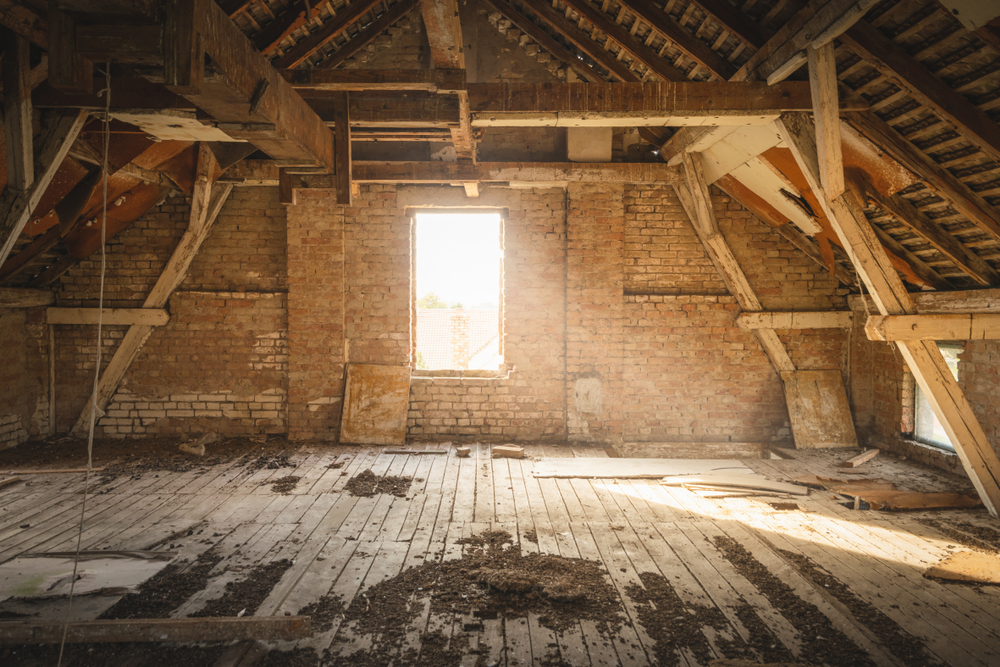
That is why attic evaluation (and attic black mold treatment if you’re out of luck) are such an important component of house maintenance and should be performed before even putting your house on the market, and on regular basis.
Why is attic black mold growing under your roof?
Watch Home Maintenance videos on Youtube.com – Black Mold in Attic
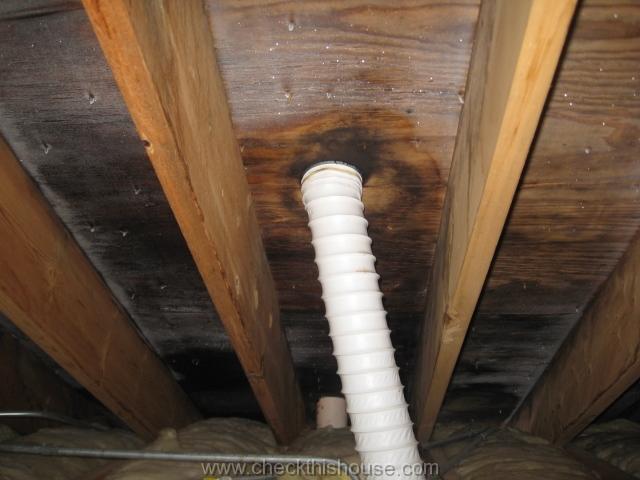
In search for attic black mold pictures I went through just a couple of hundreds files from my recent home inspections. And… I’m overwhelmed with a number of homes contaminated with attic mold. While inspecting I’ve never realized that, but this is just another proof that house attic is one of those completely off limits house areas for many homeowners.
Therefore, I decided to bring a little House Attic Black Mold awareness into your daily routines, and hope you’ll find it helpful. You can find more about mold in your house by following this link – household mold , and this post will deal strictly with pointing out conditions responsible for attic black mold growth.
Many factors can cause attic black mold to grow on your roof decking, and unfortunately the only way to find out is to go there. Below are the 10 main reasons responsible for the black mold growth in your attic:
 #1. cause of attic black mold growth in cold climates is an inadequate attic ventilation – check under the “House Attic Problems” category and Roof / Attic Ventilation Inspection post for more details about types of available venting and venting requirements
#2. The reason responsible for attic black mold contamination is improperly designed attic ventilation – a combination of vents that instead of exchanging the air between exterior and interior, they trap, create pockets of “dead air” which condensates on roof decking during the cold season. Attic ventilation design depends on the shape of your roof, its complexity. Some combination of attic / roof vents might work, some will not – if your attic is suffering from improperly designed ventilation, and you don’t know what to do, send me some pictures and I’ll help you with making this decision.
#3. Dryer / kitchen / bathroom vents discharging into the attic are often responsible for condensation, frost and attic black mold growth on the decking surface. Although condensation and frost buildup conditions would only apply to cold climates, all of the exhaust fan types from within your house should discharge to the exterior.
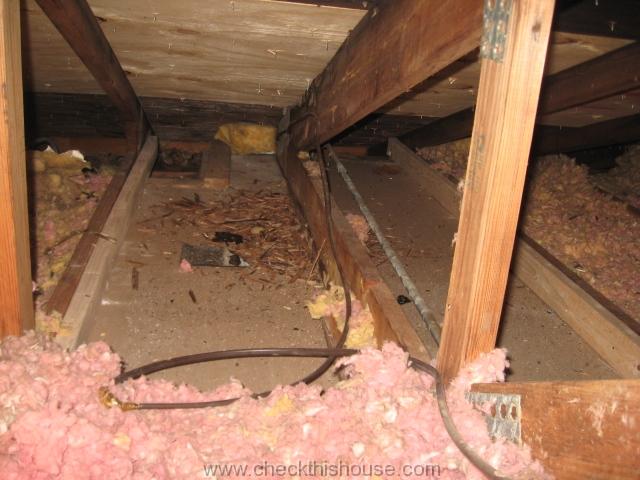 #4. Inadequate / missing attic floor insulation and vapor retarder (moisture barrier) – allows for heat and moisture transfer from your house into the attic area. Bouncing back to the cold climate – it will often result in attic black mold growth.
Vapor retarder definition – it is a material or system which adequately retards the transmission of water vapor.
#5. Poor / improper cathedral ceiling insulation and skylight chase walls insulation may also be responsible for attic black mold contamination.
#6. Furnaces and water heaters produce significant amount of heat and if installed in a poorly ventilated attic (not contained within a dedicated / enclosed area – attic closet), especially in a cold climate, could be responsible for condensation buildup and mold growth.
#7. Plumbing vents open into the attic discharge moisture saturated sewer gases into the attic.
#8. Uninsulated forced air heating system ducts – in cold climates, they waste precious energy and increase chances for attic black mold.

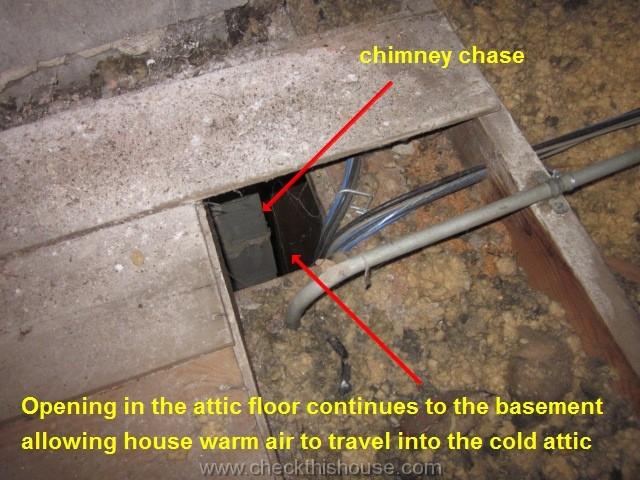
 #9. Poorly insulated ceiling penetrations, attic access panels, kitchen soffits open into the attic, etc. It all adds up and the results are sometimes pretty dramatic. I’ve seen chimney and plumbing pipe chaises open at the lowest floor of the house, in a basement or sometimes flooded crawlspace, continuing through the house’s floor or two, and into the attic. Imagine the amount of warm, humid air transferred into the attic space and how much attic mold this can produce.
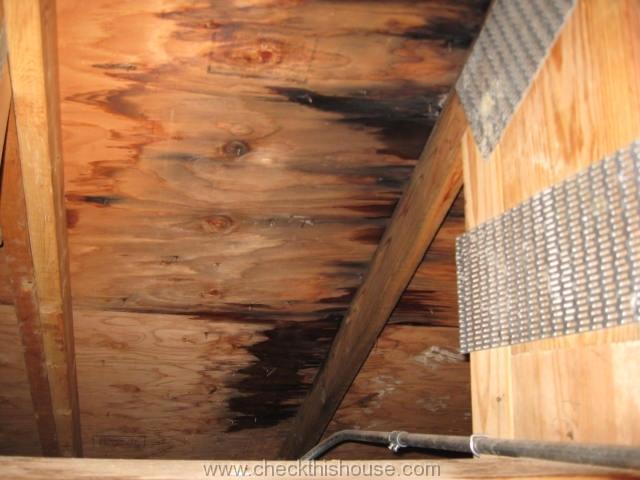 #10. Leaking roof – mold in the attic caused by the failing house roof protecting surface will be usually concentrated in leakage area and below it. However, poor attic ventilation could significantly accelerate mold growth.
Combining just first two items from the list of t he 10 main reasons responsible for the attic black mold growth could transform your attic into the steamy, mold-contaminated room during the cold season.
Any warm air trapped under the roof will cause condensation to form on framing, decking surfaces, and roofing nails creating mold nesting habitat.
Some homes have more than one attic and upper one, usually located above the bedrooms and bathrooms is always more susceptible of being contaminated with black mold. Warm air from lower parts of the house will naturally rise up, transfer through the ceiling and all its penetrations into the attic.
Attic mold solution has two parts and both should be executed at the same time:
- Attic mold removal
- Correction of factors responsible for attic mold – without it, attic mold will most likely re-appear within one season
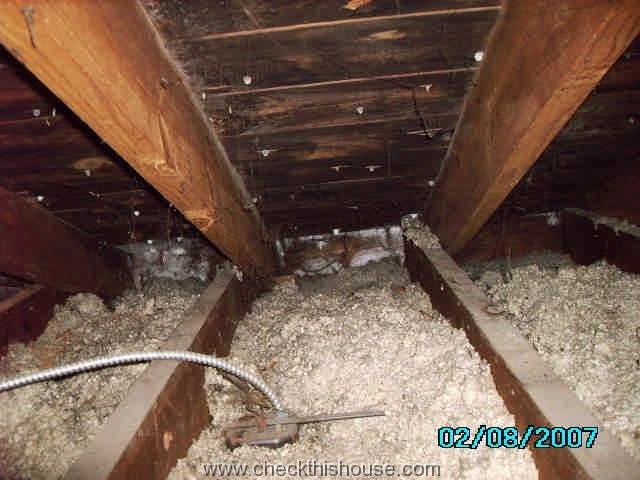
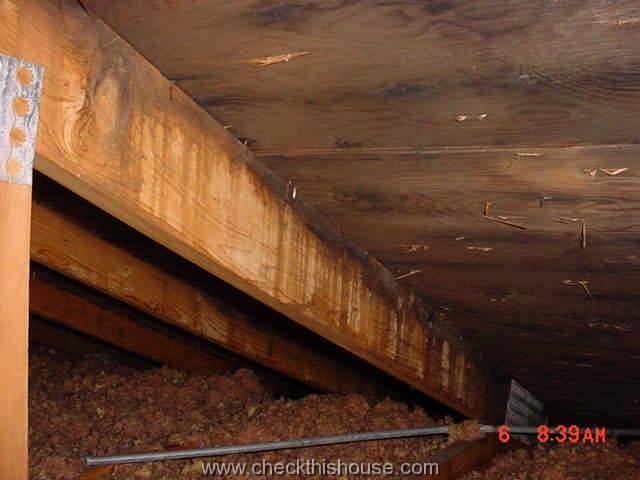 Once everything is properly fixed, you won’t have to worry about any attic mold growth. However, I still highly recommend to periodically monitor the attic.
Since you already know, why is the black mold growing in the attic it is time to do some investigation above the ceiling. Be extremely careful, if you don’t feel comfortable with accessing the attic, find somebody else to do it for you!
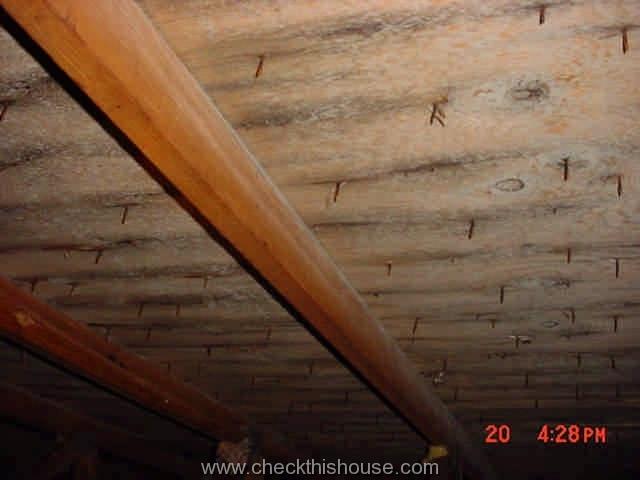
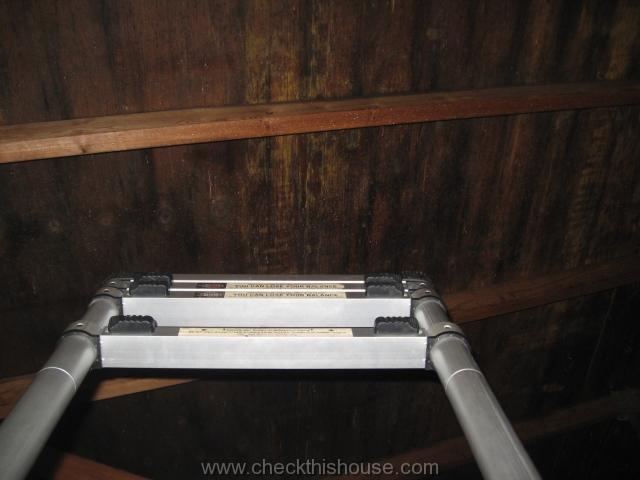 Pick a cool day for this trip, powerful flashlight and dust mask. Attic access might be as easy as pulling down folding attic stairs, but sometimes it is a challenge as far as size of an opening and its location.
Shine your light beam above your head and onto the roof decking / framing surface, check carefully areas where attic floor meets the roof, because that’s where attic black mold usually starts appearing (samples of what you might see are on the pictures).
If you see no discoloration, clean wood surface with no mold residue on it, than everything should be OK .
Comments are closed.