


The “silent killer” would be a good title for criminal novel, and also a very good description of Carbon Monoxide, toxic gas without taste, smell or color that results from incomplete combustion (burning process) of fuels. Symptoms vary greatly and depend on many factors, including age, health condition, time of exposure, and gas concentration level.
- Carbon Monoxide alarms should be replaced approximately every 5 years / based on the particular model manufacturer recommendation – older units might be much less, newer slightly more. If you check your old CO alarm mechanically / using its test button, and you can hear its warning siren, this does not mean that its CO sensor is still functional.
Carbon Monoxide exposure effects might be sometimes mistaken for the flu (at lower levels), but can escalate to more severe symptoms including disorientation, nausea, dizziness, and fatality which usually occurs during sleep. The list of sources that can produce Carbon Monoxide gas is quite long, and includes everything that burns fuel.
 The most dangerous for us are gas, oil, and wood burning home appliances (gas or oil furnaces, space heaters, gas water heaters, gas clothes dryers, gas ranges, gas refrigerators – rare but I’ve seen a few, fireplaces, charcoal grills, wood burning stoves, etc…).
- “The most”, because they require oxygen for combustion (burning process), and often the only source of oxygen is our living space.
- “The most” because they often vent into the problematic chimney, and instead of properly discharging gases to the house exterior, they contaminate living space.
In newer homes, which are built (or at least they are claimed to be) much tighter in order to conserve energy, combustion air becomes critical. Older homes weren’t that air-tight and air drafts that provided additional, fresh air flow into the houses was a very common condition.
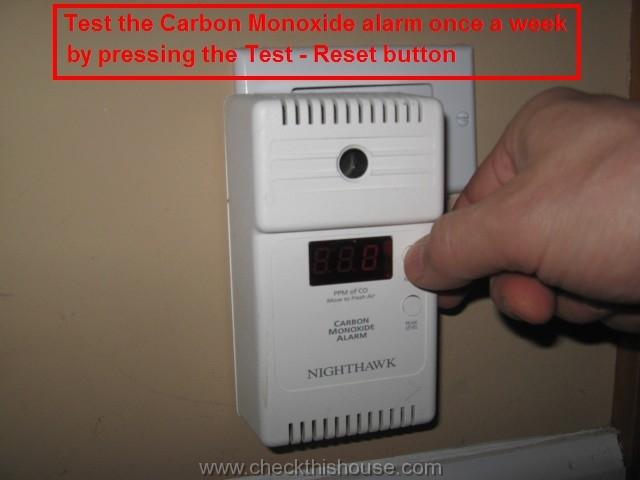
The basic thing you should do is to maintain a functional Carbon Monoxide detector(s) in your home
When installing Carbon Monoxide alarm, make sure that it is properly positioned – the Consumer Product Safety Commission (CPSC) recommends it to be located near the sleeping area, where it can wake you if you are asleep. Check all CO alarm locations.
Installation of additional Carbon Monoxide alarms on every level and in every bedroom of a property provides extra protection. You’ll find detectors from manufacturers offering electrical outlet plug-in models, which is fine, but ceiling mounted device might serve you better during a cold season – since Carbon Monoxide weight is almost the same as air, it will rise with warm air from heating appliances.
Consumer Search gives the highest ratings to the carbon monoxide detectors manufactured by Kidde and the winners are Kidde Nighthawk series (you can check current prices at Amazon.com by clicking on images).
Second (on my list) most dangerous source of Carbon Monoxide would be an attached garage, or more likely anything in the garage that might produce this deadly gas. Your local building code might (call your local building code enforcement division and even if they say “it doesn’t” – be smarter and use common sense!) require doors between the house and the garage to self close (and lock).
Having self closing garage – home entrance door feature is a very smart and easy way to protect ourselves from the car, lawnmower, kerosene heaters, and garage gas heater exhaust fumes. Many of us start the car earlier during the winter, or sometimes forget to turn of the engine… all you need is a couple of spring hinges or closing device, and that one trip to a local hardware store might save your life one day.
What’s next? You wish I wouldn’t say that (if you smoke) – tobacco smoke… no comment. Thirsty for more detailed information about Carbon Monoxide? – U.S. Environmental Protection Agency has plenty… and they call it “Basic”. Also, Iowa State University Extension provides a more in depth, but at the same time easy to comprehend study.
Comments are closed.